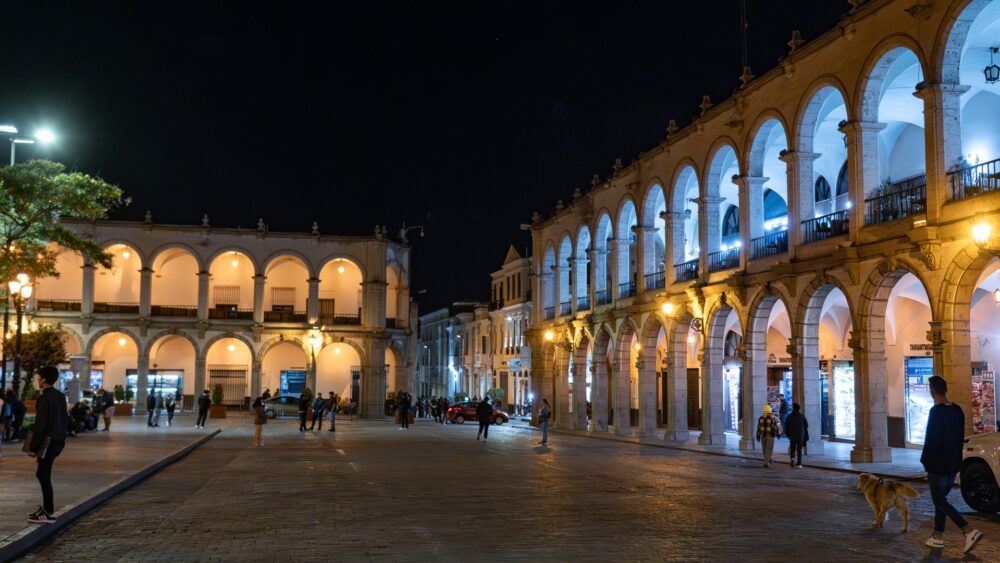
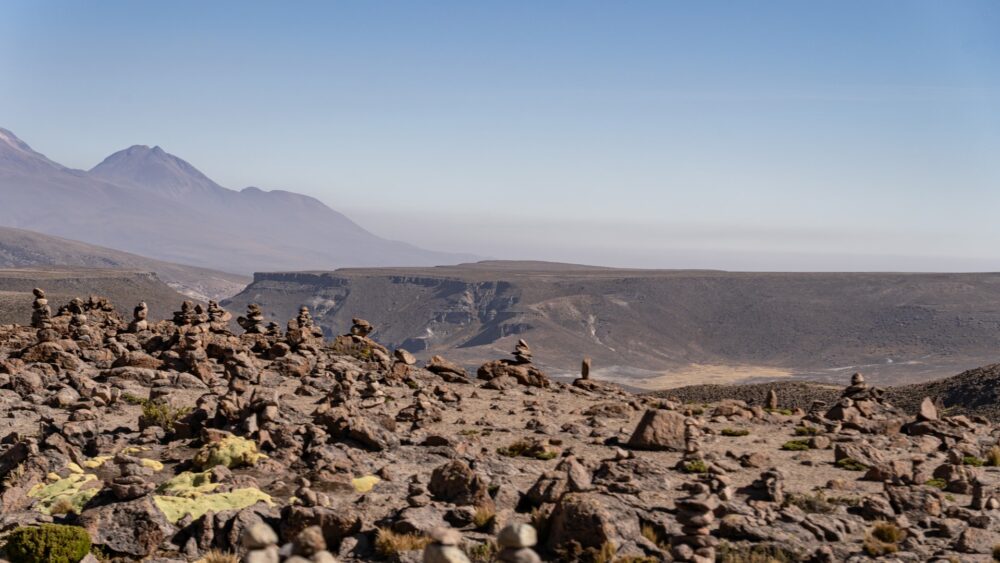
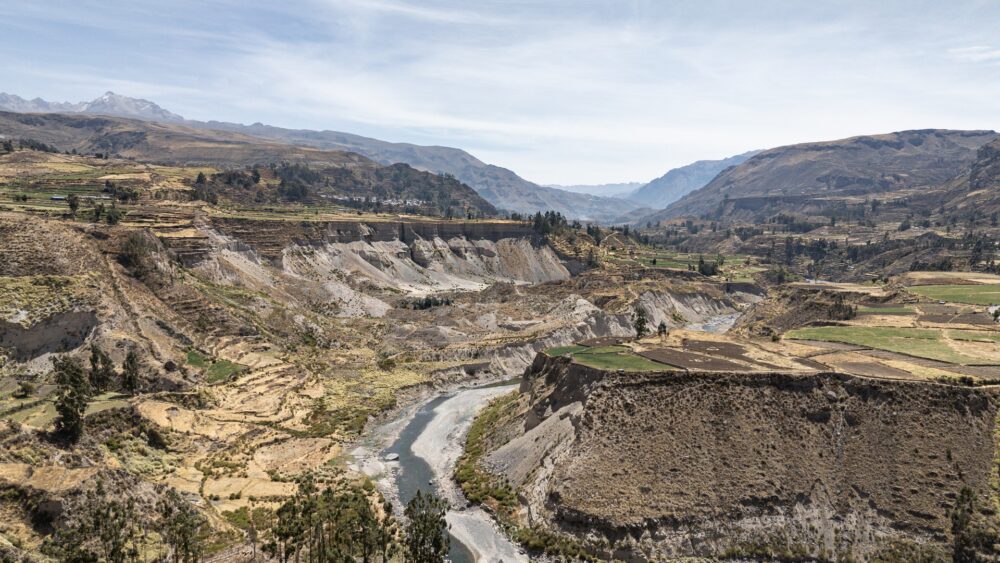
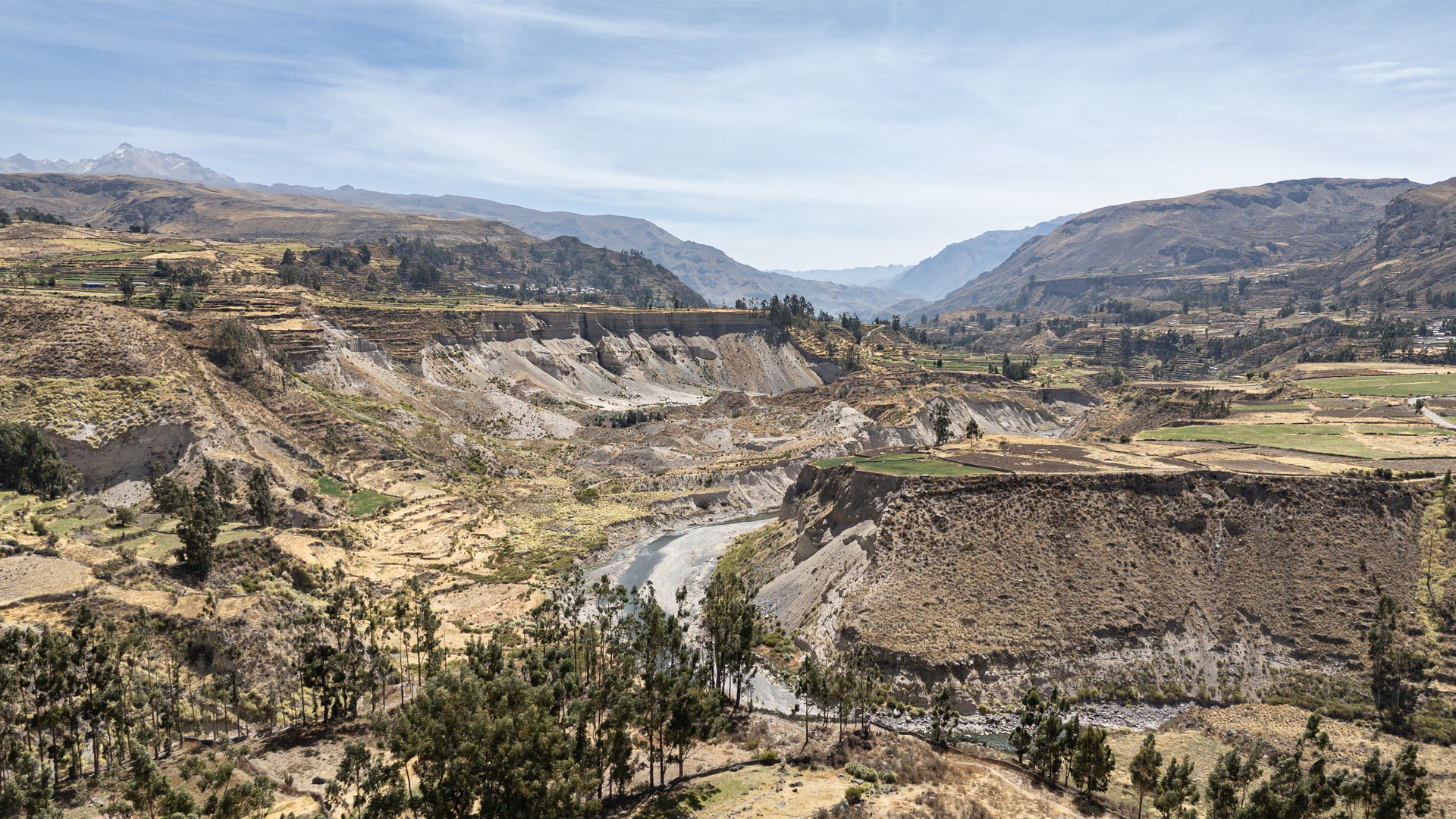
Much of this journey takes place high up in the Andes. Arequipa lies at over 2,300 metres, the Colca Valley and Cusco at around 3,400 metres, and Lake Titicaca at 3,800 metres. At these altitudes, the air is thinner: during the first few days, you’ll tire more quickly and naturally walk a little more slowly. That is why the journey ascends gradually. After two nights in Lima, you will not fly straight to Cusco, but first to the ‘white’ city of Arequipa. From there, you’ll continue your journey overland: through the Colca Valley, where condors soar above the canyon, to Lake Titicaca and the Tinajani Canyon. This way, you’ll acclimatise to the altitude step by step: you’ll stay for two nights at each location and always have a full day to explore.
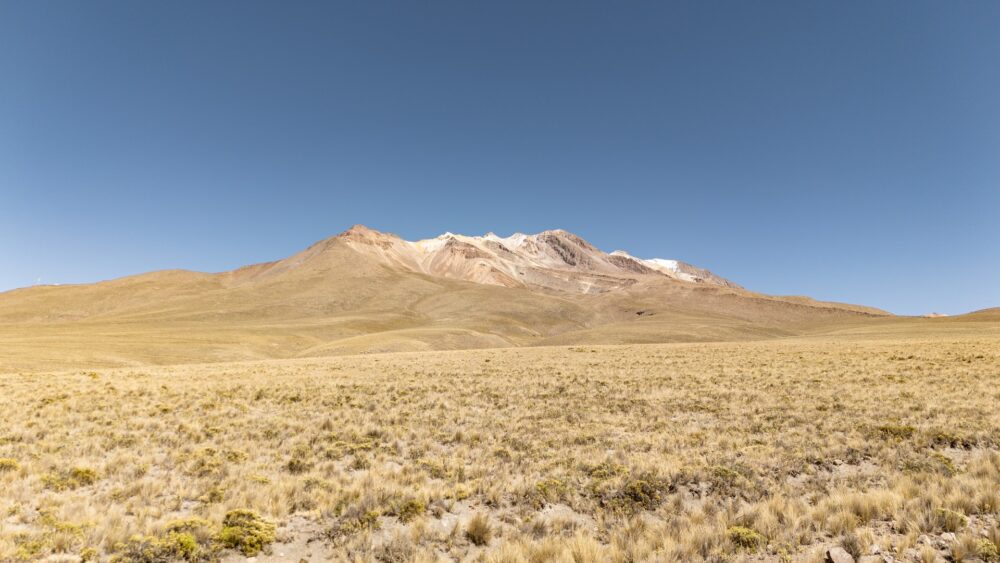
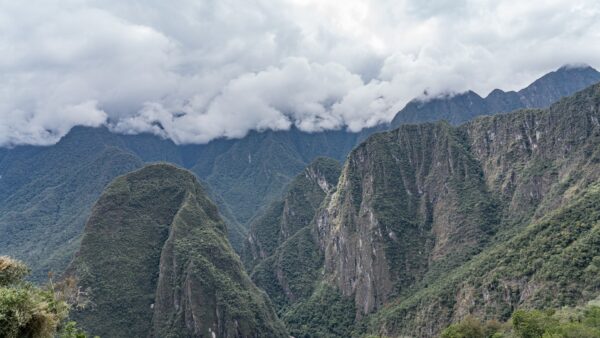
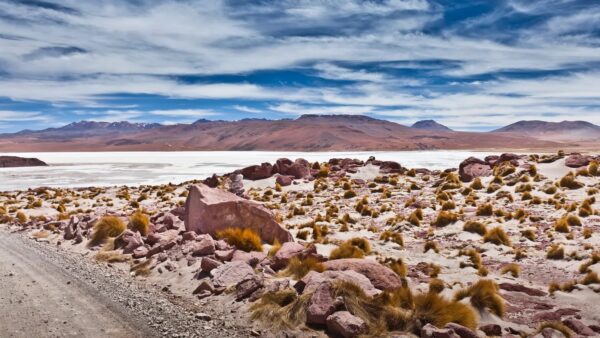
What really stuck in our minds was the landscape. White Arequipa with its monasteries, the terraces and the deep Colca Gorge, the tranquillity of Lake Titicaca and the rocks of Tinajani: every stage looks different. For us, Cusco is the highlight – a truly South American city, with squares, churches and Inca walls beneath the Spanish buildings.
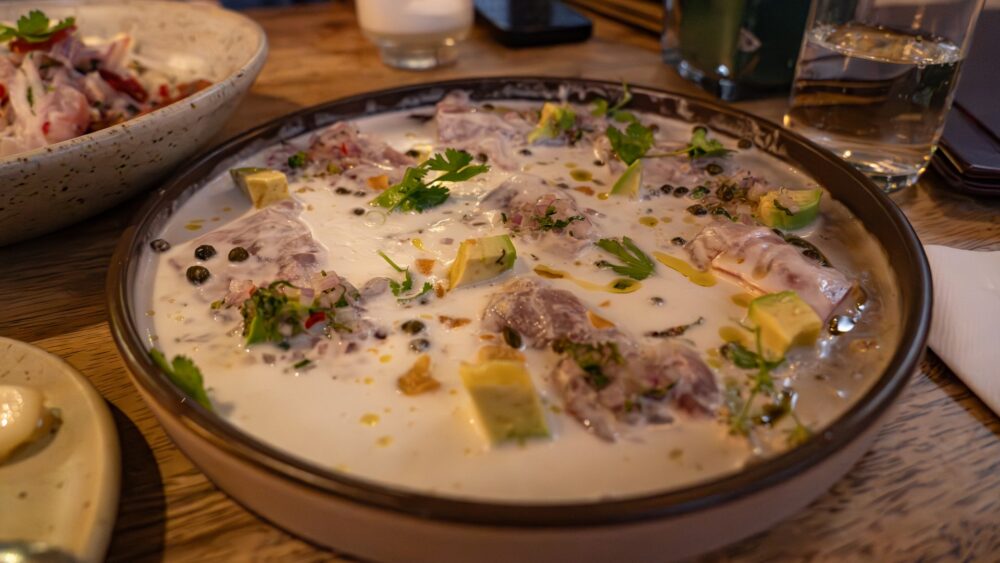
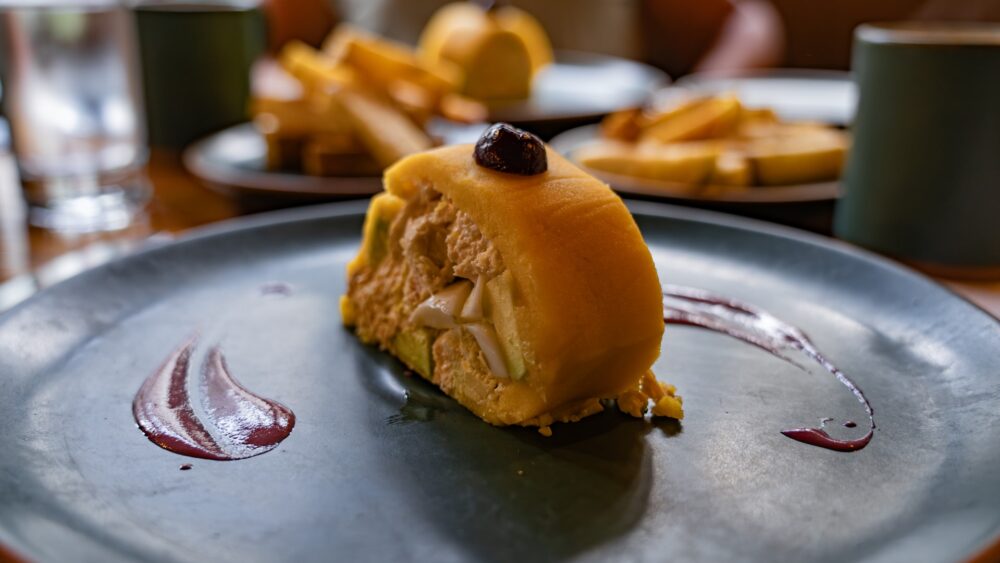
Peruvian cuisine is a reason in itself to visit. On the coast, you can enjoy ceviche made from fresh fish; in the Andes, dishes featuring potatoes and maize that have been grown here for centuries; and in Lima, Spanish, Japanese and Chinese influences come together. In Arequipa and Cusco, we love dining at Chicha, Gastón Acurio’s restaurant, and in Lima, head to the bar at Tomo for Japanese-Peruvian cuisine. We’d be happy to book a table for you.
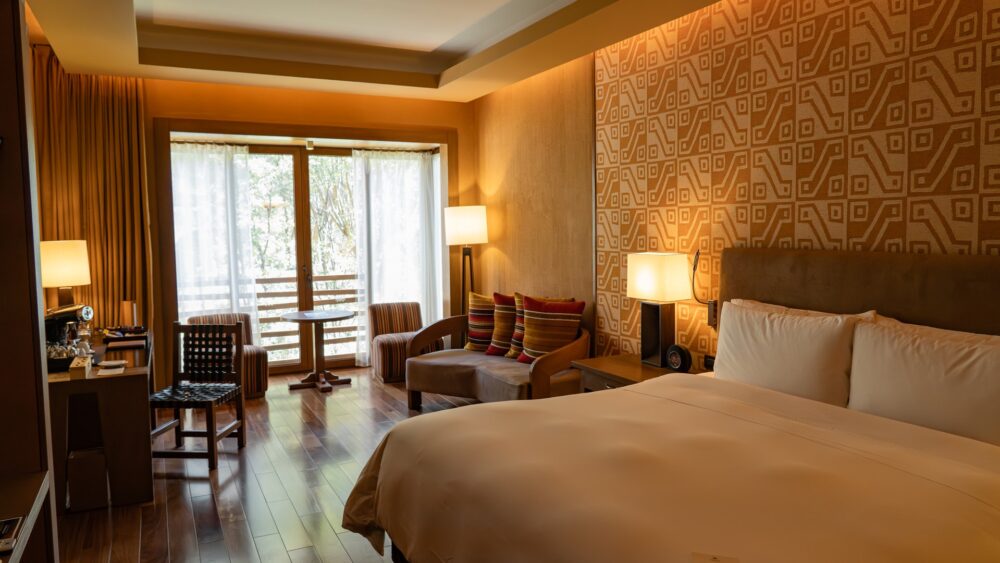
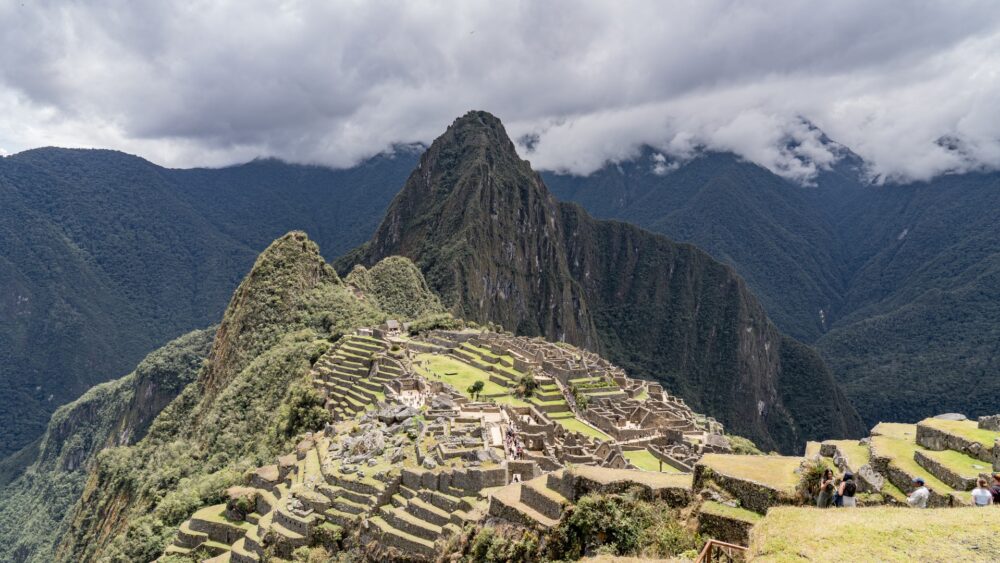
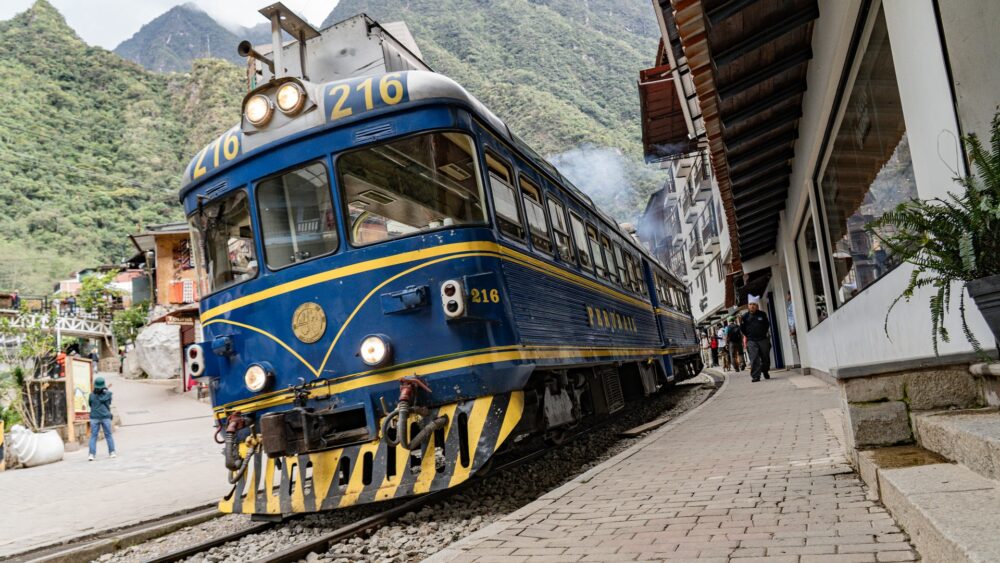
Save Machu Picchu for the end, once you’ve acclimatised to the altitude. You’ll then spend three nights in the Sacred Valley, which is at a lower altitude than Cusco, and have one day for Machu Picchu and one day for Ollantaytambo. You’ll then fly from Cusco back to Lima for a final night by the sea. Throughout the trip, you’ll be accompanied by English-speaking guides and travel by private transfer almost everywhere, so you’ll hardly notice any of the organisational details.